The Bora: Dalmatia’s distinctive wind
When autumn arrives, the main sign of its presence in the Dalmatian region is the increasing wind. It holds particular significance for the region; so much so that the wind that blows between October and March on Brač and along the entire eastern Adriatic coast has its own name: the Bora. Where it comes from, what makes it unique, and why it is significant.
1 October 2025
What is the Bora?
The Bora differs from other winds in that it is a strong, dry, downwinding air current that occurs in the eastern Adriatic region. It is usually felt between October and March in Croatia, Slovenia, Italy and Montenegro. However, the Bora can occur at any time of year. The wind is caused by pressure differences between the cold continental high-pressure system over the Dinaric Alps and the warmer low-pressure system over the Adriatic Sea. The island of Brač lies directly in the Bora’s sphere of influence. It is particularly noticeable, for example, in the Brač Channel (Brački kanal) between the island and the mainland.
What significance does the wind have on Brač?
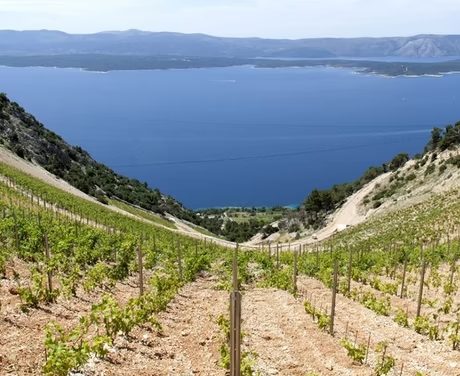
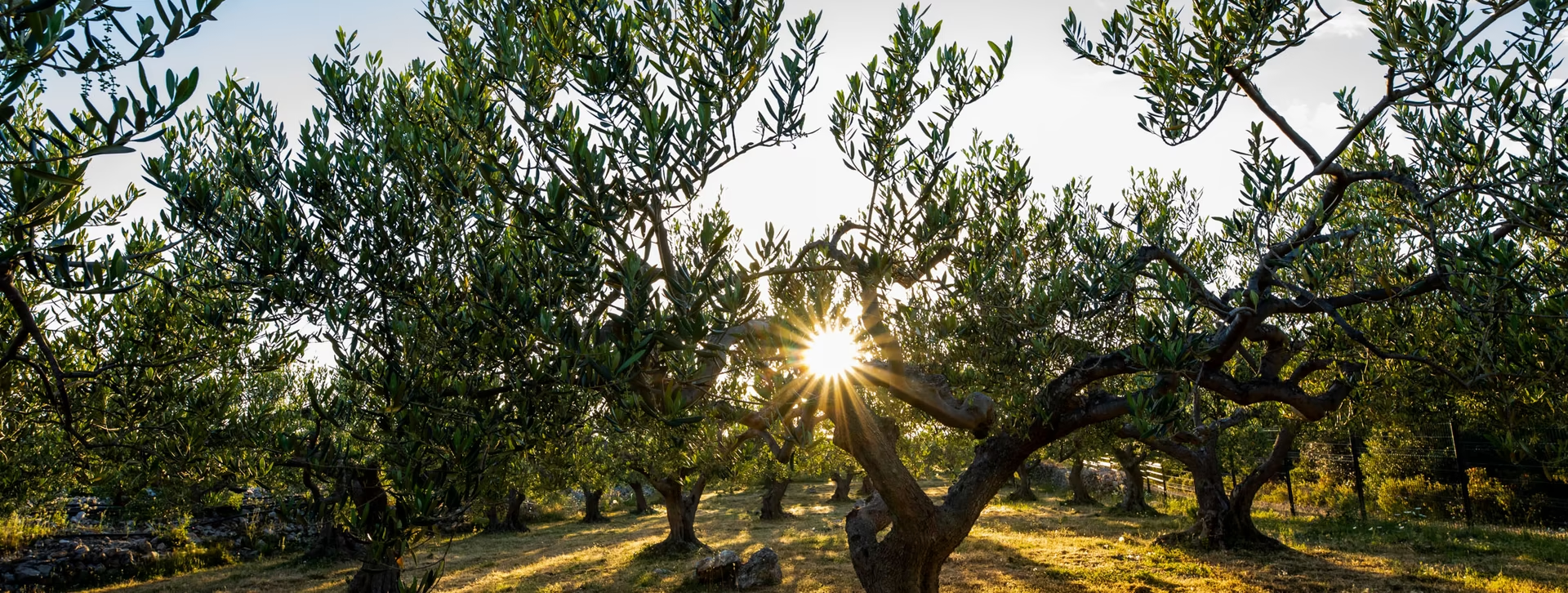
One reason for the way buildings are constructed on the island is linked to this particular wind. As a result, houses tend to be low-rise. Stone walls are also used as windbreaks. If you look closely, you can tell from the olive trees and the direction they grow in which way the wind blows. Because the bora is very dry, it helps to remove moisture from plants. This prevents fungal diseases such as mildew or olive leaf spot – a factor that benefits the island’s wine, olive and fruit crops.
Although the cold Bora winds can have a cooling effect on clear nights, they also prevent fog from forming and thus late frosts. This is important for sensitive crops such as almonds or early vegetables. And because the Bora also has a drying effect on fruit-growing land, it removes waterlogging. This prevents root rot. In traditional agriculture, people are aware of the benefits of the Bora and make targeted use of it. At the same time, the wind on Brač also presents challenges. For instance, it may be necessary to water more frequently, provide windbreaks so that sensitive plants do not bear the full brunt of the Bora, and favour wind-tolerant, local varieties.
The Wind, the Heavenly Child
In agriculture, the bora ensures that regional specialities such as olives and wine retain their robust, unique flavour. But this occasional wind on Brač is also a blessing for the people. The bora simply sweeps away moisture, dust, pollen and pollutants. This is why the air on Brač is so incredibly clean. It’s not just people with respiratory conditions who benefit from this – we all enjoy the benefits of good air quality.
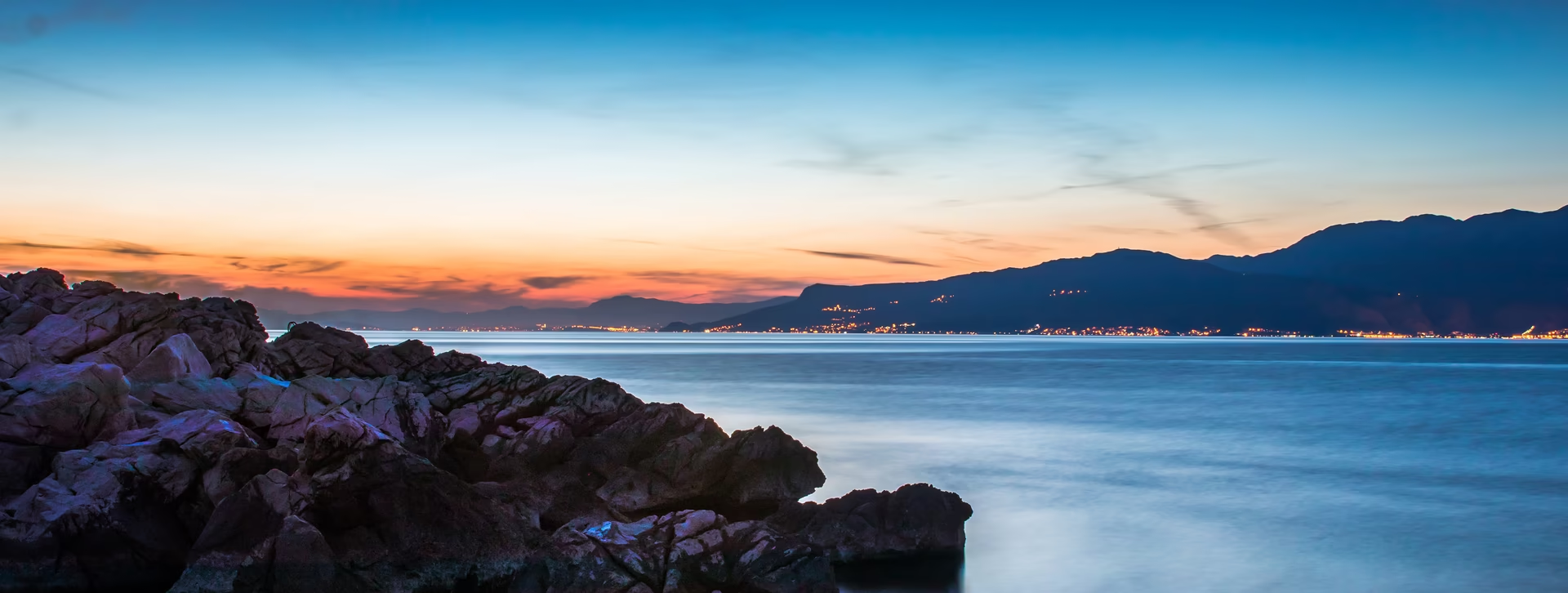
After a Bora, the air is therefore particularly clear. This is also perfect for photos of breathtaking sunsets and beautiful views. Keen surfers and kite-surfers will find the conditions during a Bora ideal for pursuing their passion. In summer, the Bora brings a cooling breeze. It not only dispels muggy air and dirt, but also mosquitoes and insects.

The formation of the bora
Of course, it is physics that underlies the formation of the wind. But far more romantic is the legend of the sun god and the sea god, which is told along the Adriatic coast: the sea god (Judo/Juže) lived peacefully in the depths of the Adriatic and ruled over the water, the fish and the calm waves. He loved the silence and the warm sea breeze. One day, the sun god fell in love with a beautiful nymph who lived on the shore. To impress her, he sent her warm, gentle breezes and let the sun shine brightly.
But the sea god grew jealous – he feared the nymph might fall in love with the sun god and leave the sea. So he sent an icy, fierce wind across from the land, intended to drive away the sun god’s warm breezes and frighten the nymph. This cold, dry and gusty wind was the first Bora.
Ever since then, there has been an eternal battle between the god of the sea, who wishes to preserve the sea’s tranquillity and coolness, and the sun god, who seeks to bring warmth and love. Whenever the bora blows, people in Croatia jokingly say: “Old Juže (the sea god) is angry with the sun again!” On Brač and other islands, people sometimes say that the bora sweeps across the land to drive away evil spirits.
Tip!
Autumn on Brač is characterised by numerous festivities, warm temperatures and a sense of well-being. Experience this quieter time of year at Hotel Lemongarden and discover the benefits of a holiday in the off-season!