Olive Oil: A Gift from Nature
One of the most common questions our guests ask us is about the olive oil we serve. Whether you enjoy it with a piece of crusty bread, on a salad, or even on its own, you can’t help but notice its delicate flavor. The olive oil at the Hotel Lemongarden is special in many ways.
August 24, 2026
Homemade Olive Oil
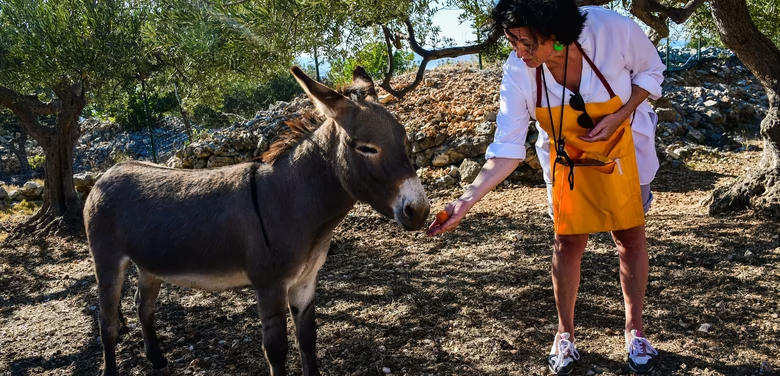
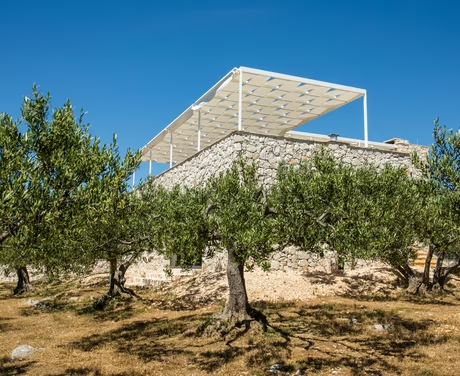
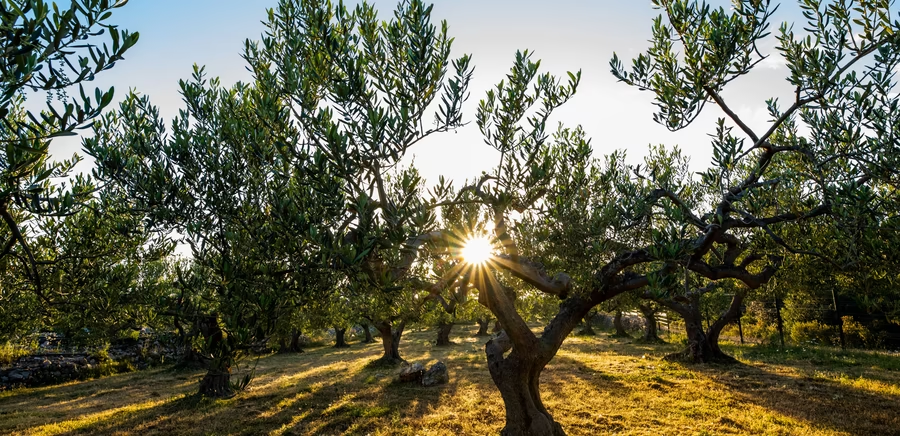
It’s no secret that the Lemongarden Hotel places great value on homemade products. Jams, bread, pastries—things made in-house simply taste best. Our olive oil is no exception. The olives used to make it grow on centuries-old trees hidden away in a beautiful olive grove in the hills of Sutivan. Here, they’re sheltered from the wind and bask in at least six hours of direct sunlight every day. They don’t like it when their roots are standing in water, and they can only tolerate cold down to about -10 °C. Otherwise, olive trees are undemanding plants that get by with very little water.
After about seven to twelve years, olive trees in the wild bear fruit for the first time. Because fruit production is energy-intensive for the trees, years with a bountiful harvest are often followed by years with lower yields or none at all. This is because olives always grow on the shoots that formed the previous year. If the tree devotes all its energy to fruit growth, it has no resources left to develop shoots for the following year. Careful tending and proper thinning support the tree’s recovery processes. The olive harvest then begins in October.
Olive oil, centrifuged, not pressed
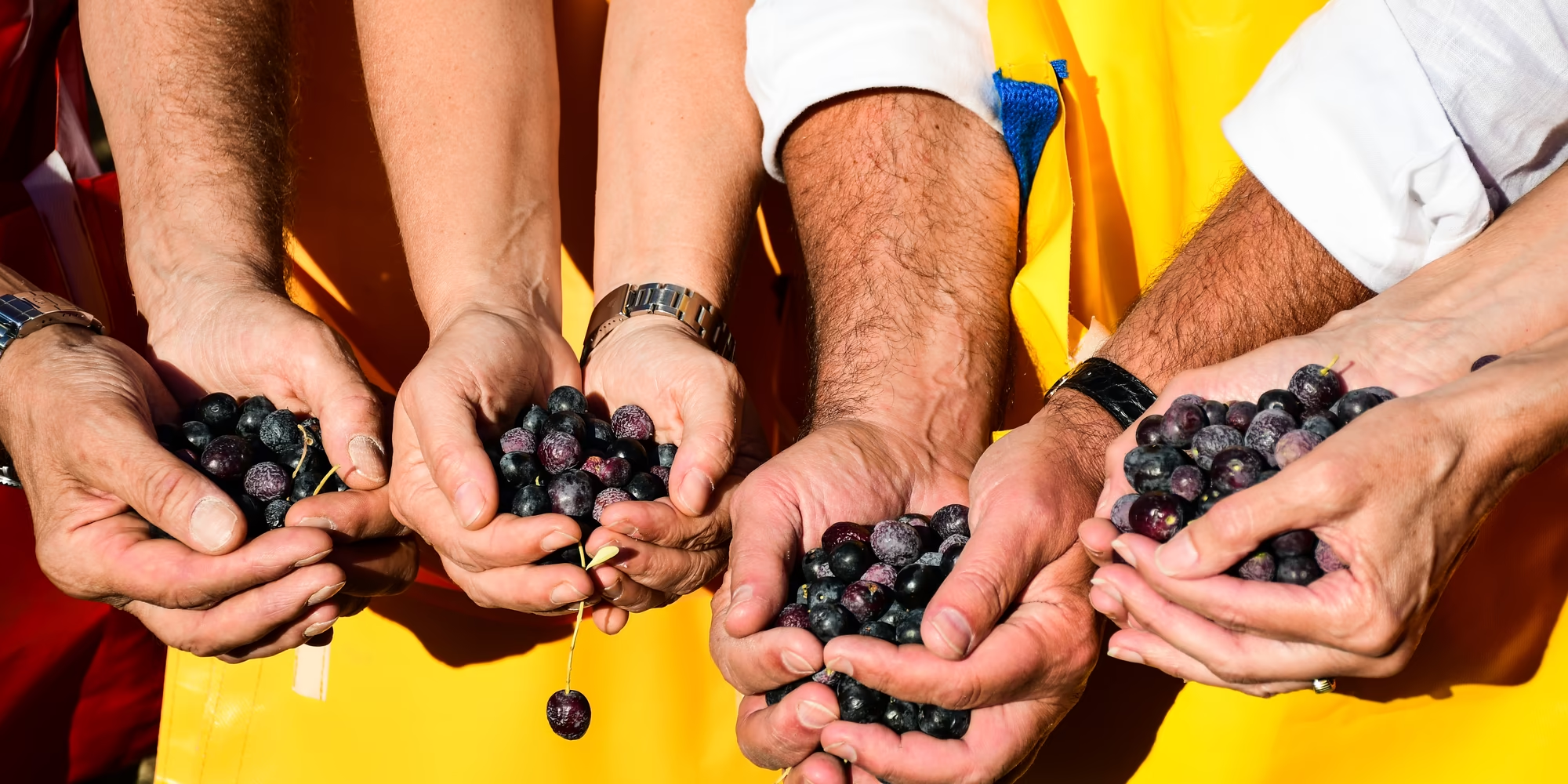
In total, there are more than 1,500 different olive varieties worldwide. Only about ten percent are suitable for consumption and oil production. In addition to special oil olives—which are particularly small but have an extremely high oil content—there are larger table olives with smaller pits and a lower oil content, as well as varieties that serve both purposes: they can be used to make olive oil and eaten as is. In Croatia, the hardy Oblica variety is becoming increasingly common. Incidentally, the color alone does not indicate the variety. Every olive starts out green; as it ripens, it darkens. The color of the olive therefore depends solely on the time of harvest.
At the Hotel Lemongarden, the olive harvest is a special event. Guests can help pick the fruit from the hotel’s nearly 500 trees; afterward, they can make their own olive oil and take it home. The event is always a lively occasion, where culinary delights and music are always a highlight. To ensure the olive oil retains its exceptional flavor, we use modern centrifugation rather than traditional pressing. This gives the olive oil an intense, mineral-rich flavor. It also helps preserve the oil’s valuable nutrients. Our guests enjoy Lemongarden olive oil on its own with bread, but it’s also used in the restaurant’s kitchen, of course.

Why is olive oil so healthy?
Olive oil is arguably one of the tastiest ways to do something good for your health. Its high content of monounsaturated fatty acids protects blood vessels from calcification by lowering levels of “bad” LDL cholesterol in the blood. The blood vessels remain elastic, which reduces the risk of strokes, high blood pressure, and heart attacks. The polyphenols and vitamin E protect the cells and slow down the aging process.
Olive oil also has anti-inflammatory properties. What many people don’t know is that the compound oleocanthal blocks the same enzymes as the pain reliever ibuprofen. This can help alleviate chronic inflammation in particular. Beneficial gut bacteria thrive on a daily dose of olive oil, which also aids in fat digestion.
Tip!
You can’t tell just by looking at the label whether an olive oil is high-quality. The best way to tell is by tasting it. Top-quality olive oil never tastes neutral. It has a noticeable bitterness, and grassy or herbaceous notes must be clearly detectable. The best indication of a high content of oleocanthal and healthy antioxidants is a scratchy or burning sensation in the throat.