![[Translate to English:] Wind in Kroatien, © Unsplash](/fileadmin/_processed_/4/a/csm_jametlene-reskp-zW7yhsjLE0I-unsplash_3002ae2ce8.avif "[Translate to English:] Wind in Kroatien, © Unsplash")
Winds in Croatia
While temperatures in many European cities are reaching unprecedented highs, it usually remains pleasantly cool by the sea. This is partly due to the surface of the water, but also to the different sea breezes. What the winds in Croatia can tell us and why a seaside holiday promises welcome refreshment on especially hot days
17. June 2026

Why is it cooler by the sea?
Water is the epitome of coolness, refreshment and purity. This feeling is deeply rooted in us. Nothing cools you down as quickly as jumping into cold water. But you do not have to dive into the waves to feel the cooling effect of the sea. Even directly on the coast, it is more pleasant than inland. This is because water stores heat efficiently and releases it again only slowly. In this sense, it is the opposite of concrete.
Because the sea has such a large volume, the heat from the sun’s rays is well distributed. The water absorbs this heat and releases it only gradually. But water also acts like a protective shield, reflecting some of the sun’s rays back up into the at mosphere. Heat causes seawater to evaporate, and this process requires energy, which is drawn directly from the air. As a result, the air cools down. A temperature difference develops between land and sea, creating a cooling sea breeze. In addition, Croatia is shaped by several typical winds.
The Bora: cooling and clearing
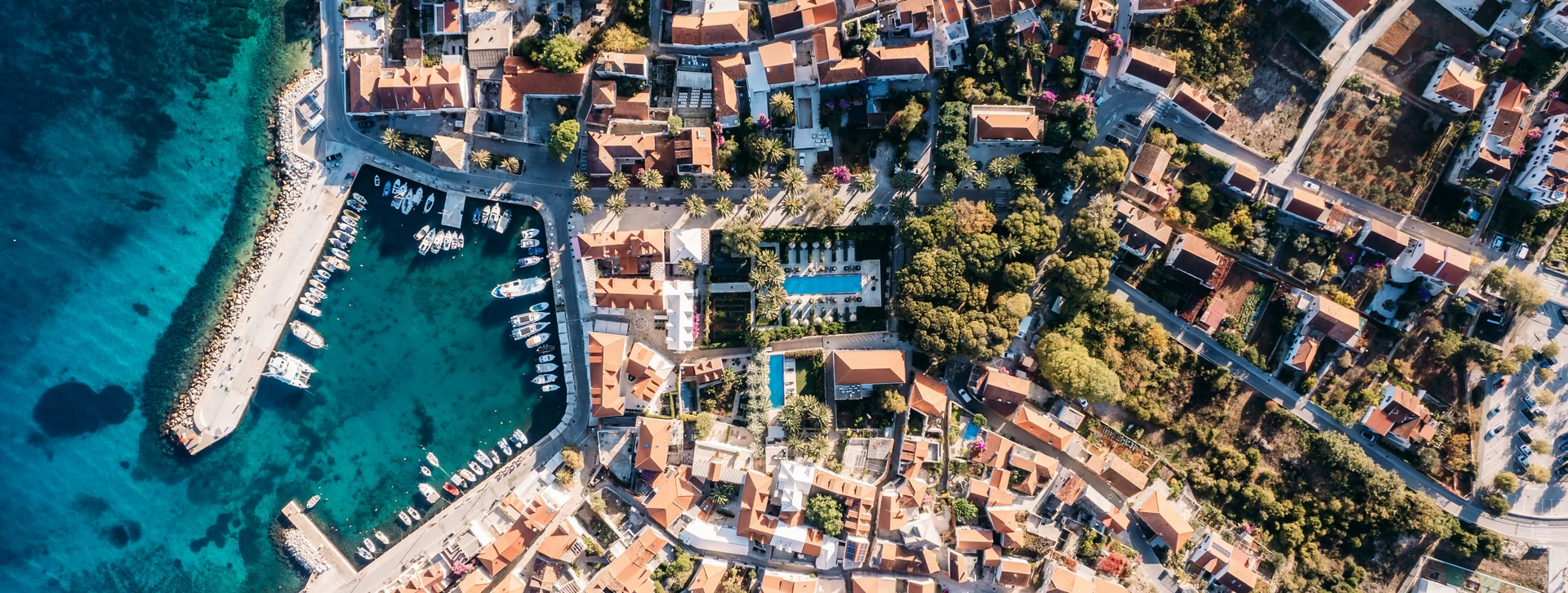
Occurring mainly in autumn, the Bora is considered one of the most typical winds in Croatia. It usually blows between October and March, but can occur throughout the year. The Bora is dry, strong and gusty. These downslope winds are important for agriculture on Brač, as they keep moisture away from plants. This benefits winegrowing, olive cultivation and fruit farming on the island. They also help prevent root rot. In summer, people welcome the cooling effect brought by the Bora. It clears mosquitoes, insects and fine particles from the air. Surfers and kitesurfers love the conditions this wind creates for their sport.

Jugo / Sirocco: oppressive and humid
This easterly wind forms on the African coast, where it is hot and dry. On its way to Europe, however, its character changes. Over the Mediterranean, it absorbs moisture, making the air muggy and humid. When it finally reaches Croatia, it brings dense clouds, oppressive heat and long-lasting rain. It often also carries Saharan dust, covering the landscape with a reddish film. The Sirocco can be recognised by high waves and steady wind. It usually occurs in spring and autumn. For inexperienced sailors, surfers and kitesurfers, the Sirocco can create dangerous conditions.
Maestral: Croatia’s popular wind
A summer on the Adriatic would not be complete without the Maestral. This popular fair-weather wind is an essential part of the region, bringing a gentle breeze and reliable refreshment. It follows a special rhythm: it starts slowly from around 10 a.m., reaches its peak at around 2 p.m. and disappears again around 6 p.m. Sailors, beginner windsurfers and kitesurfers, kayakers and SUP paddlers appreciate this predictability. The Maestral is steady and free from sudden gusts.
The Levante: a chameleon
Depending on where this wind occurs, it behaves very differently. While it can reach extreme wind speeds in the Strait of Gibraltar, it is usually moderate and steady along the Croatian Adriatic. This easterly wind mainly occurs in cloudy and rainy weather, blows consistently and is therefore very predictable. Experienced sailors sometimes find it almost too predictable, if not even a little boring.
Tip!
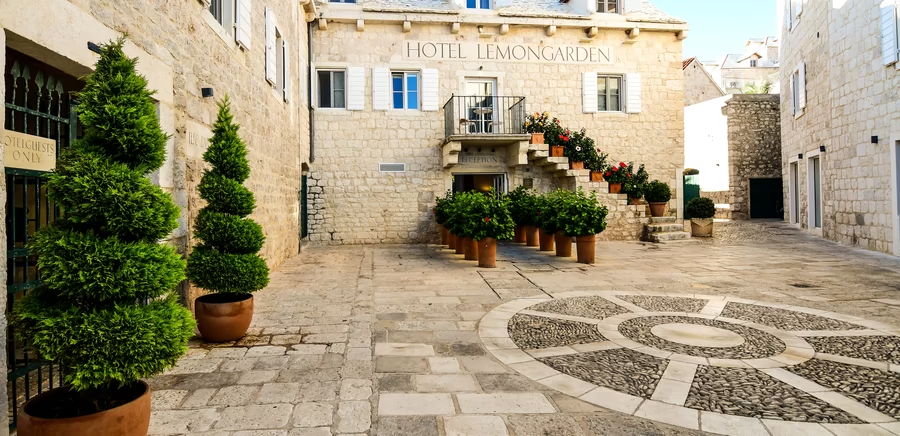
A holiday by the sea is always a treat. Guests at Hotel Lemongarden can look forward not only to wonderfully air-conditioned rooms and suites, but also to the natural cooling effect of the Maestral. The thick walls of the stone houses in which the accommodation is located also help create a pleasant indoor climate.


